
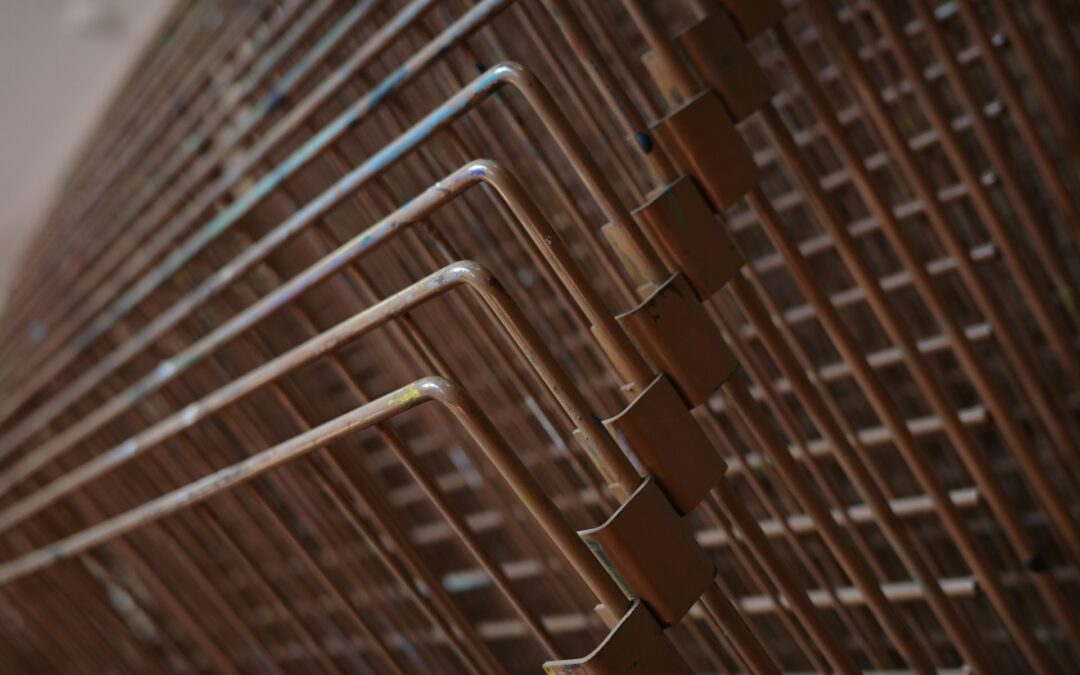
When you’re aiming to enhance shop efficiency without compromising quality, every aspect of the process deserves attention. One often-overlooked element is the racking system. The way parts are racked significantly influences the smoothness of transitions between tanks. Opting for the appropriate setup, particularly with aluminum racking, can substantially impact both quality and timing.
Clean transitions, solid contact, and improved grip stem from racking choices tailored to the task. With colder weather approaching mid-winter, it’s an opportune moment to reassess your workflow’s resilience. Let’s explore how intelligent racking keeps operations running seamlessly.
How Racking Affects Shop Flow
In a busy production line, every second is valuable. If parts don’t load effortlessly or racks fail to hold them securely, minor delays can quickly accumulate. An optimal racking setup conserves time, prevents damage, and enables operators to work steadily without unnecessary adjustments.
- Properly designed racks accommodate the size and shape of parts, aligning with your line’s configuration. This minimizes adjustments and handling between tanks.
- Ill-fitting racks often necessitate workarounds, such as bending clips or adding spacers, which can disrupt timing.
- Efficient alignment reduces awkward loading, allowing workers to focus on quality checks rather than setup issues.
Smooth part transitions not only save time but also maintain finish quality, as each additional touch increases the risk of marks or missed contact.
When everything fits as it should, tasks are completed on time and with fewer errors. Many shops notice that even a slight misalignment in the rack can lead to extra handling or shifting, which slows down the line and opens the door to mistakes.
Another benefit to keeping your racking aligned with your process is how much easier it makes training new operators. When there is a clear and logical flow, new team members can step in and understand immediately where to place each part, reducing hesitation and minimizing bottlenecks.
When Material Matters
The choice of rack material influences usability and process outcomes, especially during winter months when material properties can change.
- Aluminum racks are lightweight, facilitating easier handling, particularly when operators are wearing gloves or dealing with cold conditions. This reduces fatigue over time.
- Aluminum’s excellent conductivity ensures consistent electrical flow, minimizing the need for frequent contact checks and reducing finish inconsistencies.
- In colder environments, aluminum maintains its flexibility better than some heavier materials, which can become cumbersome and less responsive.
Selecting materials that align with your shop’s operational conditions enhances both comfort and efficiency.
While steel racks may work well in certain processes, they might be more sensitive to temperature changes and potentially become cold to the touch, making them harder to handle without the right gloves or preparation. Aluminum’s consistent performance in variable shop temperatures is one of the reasons so many teams choose it for winter operations.
Aluminum racks typically resist corrosion well, which matters during winter when condensation is a bigger risk. Keeping racks clean and free from rust improves both appearance and contact quality, two factors that make regular work easier for your team.
Fit, Contact, and Clip Design
Regardless of process speed, finish quality hinges on reliable contact points. Racks with consistent grip are crucial for optimal outcomes.
- Consistent contact is essential. Racks that shift under load or allow parts to wobble can compromise the final product.
- Clip design plays a pivotal role. Clips that are too tight may damage parts, while those that are too loose risk misalignment.
- Strategic layout adjustments can improve part alignment within tanks, reducing drag, preventing air entrapment, and decreasing rinse times.
Even well-designed racks may require minor real-world adjustments to optimize workflow, particularly during peak operations.
Careful planning for the number and type of clips used is also important. Flexible, well-sized clips maintain their grip whether you’re running a large batch of small items or a few heavy pieces. When everything stays in place, operators don’t lose time troubleshooting or repositioning parts.
Improving contact reliability can include mapping out a sequence for placing parts on the rack before the run begins. This standardizes the process and strengthens the consistency of every batch.
Preventing Bottlenecks with Smarter Handling
Bottlenecks often signal racking inefficiencies. Even with an excellent finish bath, delays in setup or cleanup can negate its benefits.
- Grouping parts appropriately on racks enhances spacing and allows operators to process more efficiently without excessive lifting or adjustments.
- Racks tailored to the shop’s process from start to finish reduce strain between tanks, promoting smoother movement and fewer alignment corrections.
- Clear handling points for grabbing, flipping, or lifting are essential. If rack design doesn’t support these actions, time is lost with each run.
Identifying and addressing slow points in the cycle can lead to significant improvements in overall flow.
Consider adding visual markers or color-coded labels on the racks to indicate orientation or batch information. Such details streamline communication on the line and let operators keep everything moving in the right direction, despite cold fingers or a busy afternoon rush.
Updating the way racks are staged before each run may make the biggest impact. Placing loaded racks close to the tanks and ensuring a direct walking path can reduce unnecessary steps and help maintain pace all day.
Keeping Process Flow Strong in Colder Months
Winter introduces challenges beyond temperature drops, affecting material behavior and contact quality.
- Aluminum racks may feel slightly stiffer in colder conditions, especially in shops with frequent door openings or cold storage areas.
- Stable storage conditions help maintain rack performance. Storing racks in areas with minimal temperature fluctuations reduces stress on both equipment and operators.
- Spot checks during line preparation can identify issues like cold surfaces or moisture affecting contact points, preventing out-of-spec parts.
Proactive adjustments in the morning can prevent workflow disruptions later in the day.
Adjusting the start time of winter shifts so racks have a chance to warm up in the shop before the first run can be helpful. Even a small change in morning prep, like wiping down racks and checking for condensation, helps prevent unexpected issues as the temperature fluctuates.
Having extra gloves, clean rags, or a warming station handy for racks can further support your operators and help them keep their grip consistent during each step of the process.
Supporting Better Finishes Through Smarter Setup
When racks complement the process, everything aligns more effectively. Parts settle into place faster, contact is more reliable, and finishes improve. Small setup changes can keep jobs moving and eliminate extra steps that cause delays.
- Matching rack design to part shape ensures consistent contact across runs.
- Planning layouts based on part movement between stages synchronizes the entire process.
- Consistent racking facilitates early detection of issues, allowing for timely adjustments.
The result is reduced rework and increased confidence in each completed part. A well-designed rack supports the entire process.
Shops that review their setups regularly in winter often discover new ways to streamline. For instance, replacing older, worn clips with newer, more adjustable versions ensures contact points remain strong even when materials are exposed to frequent temperature variation.
Encouraging your team to share notes about what racks work best for certain projects can also lead to faster improvements and promote a culture of continuous process refinement.
Keeping Jobs on Track with the Right Racking
Even minor adjustments in racking and part movement can yield significant improvements. Enhanced flow leads to less downtime, smoother transitions, and fewer surprises during finishing. The right aluminum racking propels the entire process forward, from planning to packaging.
As winter approaches, it’s prudent to evaluate how your racks perform under colder conditions. Aligning setups with both part requirements and seasonal challenges ensures continued efficiency. That’s when operations truly excel.
At Sequel Anodizing Racks, we understand the importance of aligning your setup with your workflow. Whether you’re optimizing your layout, preparing for colder months, or streamlining transitions, upgrading to better racking makes a noticeable difference. We design for real shop needs so you get reliable grip, fast changes, and clean results every time. Discover how aluminum racking improves shop flow and helps you keep winter projects on track. For questions or support with matching parts to your process, reach out to us today.