
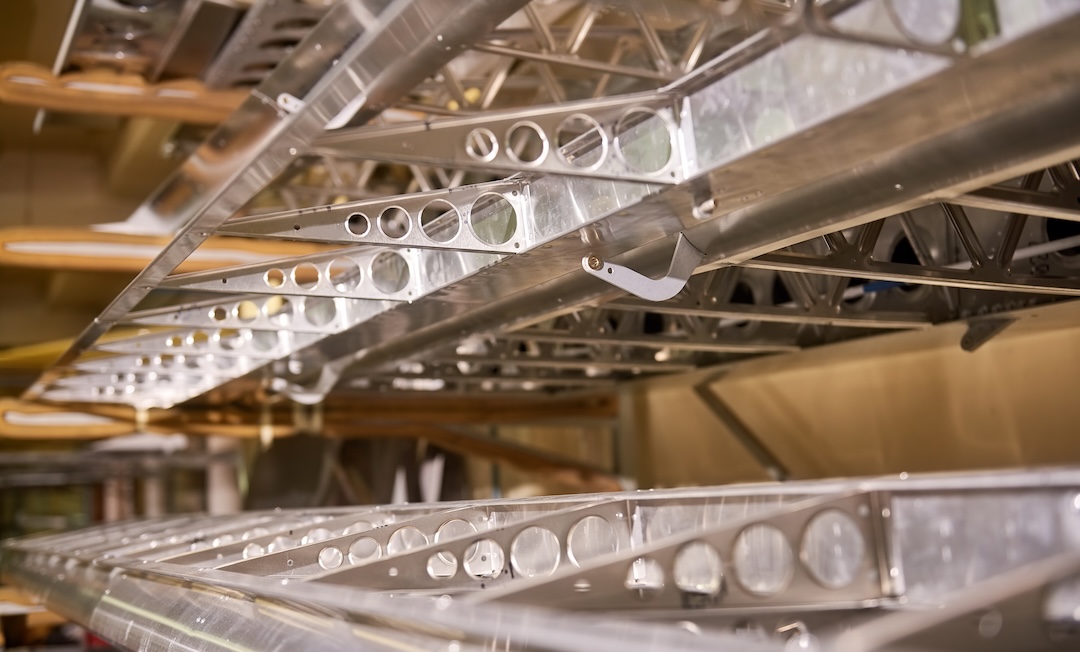
Choosing the right anodizing racks is a key step in achieving successful anodizing outcomes. Anodizing, a process used to increase the thickness of the natural oxide layer on the surface of metal parts, demands specific tools and equipment to ensure consistency and quality.
The racks you choose play a major role in how well the anodizing process works, impacting the final appearance and strength of the metal. Getting this choice right is essential for businesses that regularly anodize metal parts, as it can lead to improved efficiency and reduced waste.
Different metals and shapes require various types of anodizing racks to accommodate their unique properties. Each metal type, whether aluminum, titanium, or magnesium, interacts differently with the anodizing process.
Similarly, the shape of a metal part can influence how evenly the coating applies. Understanding these considerations is vital for selecting anodizing racks that will meet your specific needs and enhance your overall process.
Understanding Anodizing Racks
Anodizing racks are specialized tools used to hold metal parts securely during the anodizing process. These racks facilitate the efficient handling of parts, ensuring they are exposed evenly to the anodizing solution. This helps to achieve a uniform coating across the metal’s surface, enhancing durability and aesthetics.
The materials used to make anodizing racks are very important as they need to withstand the anodizing conditions without degrading. Common materials include aluminum and titanium, chosen for their corrosion resistance and strength. An aluminum rack, for example, is often used for its lightweight nature and excellent electrical conductivity. Titanium, on the other hand, offers superior corrosion resistance, making it perfect for more challenging anodizing applications.
The design of the racks also plays a pivotal role in the effectiveness of the anodizing process. A well-designed rack secures parts in a way that maximizes exposure while minimizing contact points, reducing the risk of uneven coating. For those new to anodizing, think of a good rack like a carefully crafted hanger that holds your clothes evenly in a closet, ensuring they maintain their shape and surface without creases.
Incorporating these elements into your anodizing rack selection helps ensure that your metal components receive optimal treatment. Choosing the right materials and design can significantly impact the quality and efficiency of your anodizing process, helping to produce consistent, high-quality results every time.
Anodizing Racks for Different Metal Types
Different metals bring unique needs to the anodizing table, making it important to select racks that fit each type. Let’s consider some common metals used in anodizing and explore their rack requirements.
Aluminum is a popular choice due to its lightweight nature and efficient anodizing results. To work effectively with aluminum, anodizing racks need to handle its conductivity without causing discoloration or uneven coating. Look for racks that secure aluminum parts snugly, ensuring comprehensive coverage.
Titanium stands out for its strength and resistance to corrosion, especially suited for environments where durability is key. The racks supporting titanium need to withstand its specific anodizing conditions, focusing on maintaining the metal’s integrity and ensuring the highest standard of finish.
Magnesium offers advantages in sectors demanding low density, like aerospace. However, anodizing magnesium requires special racks that handle its reactive nature. Considerations should include adjusting rack designs to manage magnesium’s oxidation properties effectively.
When choosing anodizing racks, consider:
– Material compatibility to prevent reactions that affect the coating
– Rack design that ensures full exposure to the anodizing solution
– Secure holds to minimize movement during the process
Anodizing Racks for Different Shapes and Sizes
Dealing with a variety of shapes and sizes adds an extra layer of complexity to anodizing. The challenge lies in finding the right racks to accommodate each shape, ensuring they receive even treatment.
For flat sheets, anodizing racks should allow for maximum surface area exposure. Racks that can hold sheets vertically or at an optimal angle often deliver more consistent results. Complex geometries, such as curved or intricate parts, benefit from racks that reduce contact points, minimizing undesired areas where coating might get uneven.
Here’s how you can tackle different shapes and sizes:
– Identify the critical areas that need exposure and design racks to highlight these.
– Use racks with adjustable features to accommodate variations in part size.
– Consider custom racks for unique shapes to ensure every nook and cranny gets anodized.
Handling large parts efficiently involves distributing their weight across the racks to avoid damage while ensuring ample anodizing solution coverage. Small parts require careful arrangement to prevent issues like shadowing, where certain areas might receive less coating due to surface orientation.
Customizing Anodizing Racks for Unique Needs
Customization can be a game changer when standard solutions don’t meet specific anodizing demands. Tailoring racks to your needs gives you control over the anodizing process, enhancing both productivity and finish quality. Imagine an adjustable rack that adapts to different part sizes, offering flexibility and consistency.
Customization options can include:
– Adjustable arms to cater to varying part dimensions
– Specialized clips that hold delicate pieces securely
– Modular designs that allow easy reconfiguration for different projects
These options can make a significant difference, especially for unique projects with distinct requirements. Custom racks not only align with your operational needs but also improve process efficiency by eliminating the guesswork of fitting parts onto generic racks.
The Right Rack Makes a Difference
Opting for the correct anodizing racks enhances all aspects of metal treatment, from achieving the desired finish to optimizing the efficiency of your process. Understanding the specific needs of different metals and shapes allows you to make informed decisions, aligning your selection with the characteristics of your materials.
Investing time in understanding and choosing the right anodizing racks can yield significant benefits, such as improved quality and fewer re-dos. Aligning your equipment choices with the metal properties and shape requirements ensures consistent results, reduces waste, and enhances your overall production process.
Elevate your anodizing process with precision and reliability by choosing the right aluminum anodizing racks from Sequel Anodizing Racks. Our expertly crafted racks are designed to accommodate various metal types and shapes, ensuring uniform coverage and a superb finish every time. Delve into our extensive range of options today and customize a solution that perfectly aligns with your operational needs and enhances the quality of your metal treatments.